 Schedulerflowcore
1
A named guide, not a tour
We ask for one person who can spare blocks of time, usually a planner or a millwright who is not covering two halls. A revolving cast of polite greeters wastes the day and produces a briefing full of holes.
The walk is slow on purpose. We are listening for the machine the drawings omit and for the person who will still be there after we drive back to Kutaisi. Permits, canteen hours, and who is allowed to open a cabinet are part of the work, not interruptions to it.
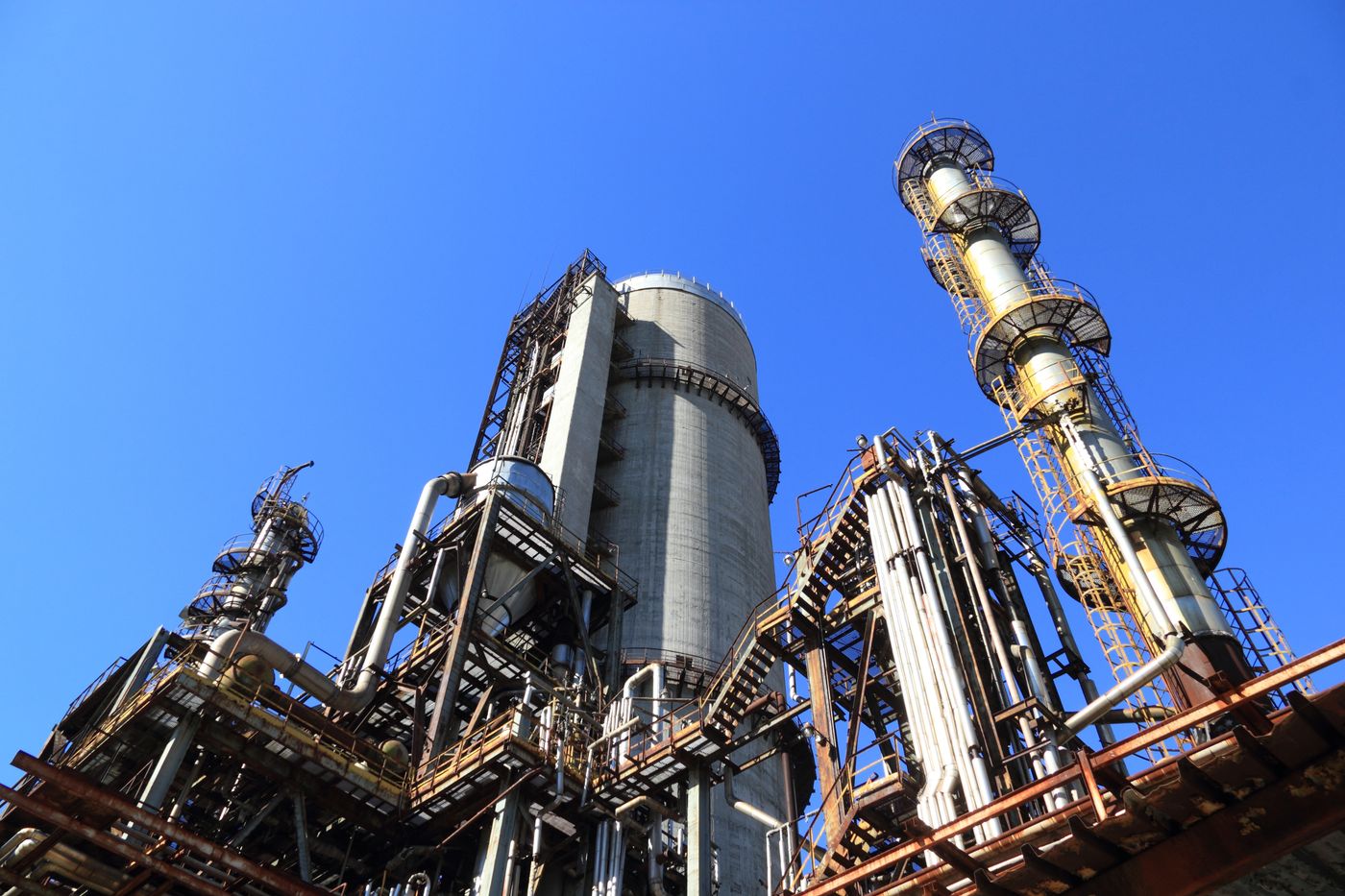
We ask for one person who can spare blocks of time, usually a planner or a millwright who is not covering two halls. A revolving cast of polite greeters wastes the day and produces a briefing full of holes.
If records cannot leave the gate, the first day is a chair in the archive. Photographing tickets is agreed in writing. We do not copy permit boards or personnel files.
We do not start at the prettiest machine. We start at the assets whose tickets already cluster. Heat, leaks, missing guards, and impossible access get marked against those clusters.
Confined space, live busbars, and heights follow your permit-to-work. If you would not take a visitor there, we do not go. The briefing will say which assets were seen only from the aisle.
We present to the guide, the planner, and whoever will stand at the board the night before the stop. A second session for operations management is optional and billed as an extra day if it was not in the estimate.
Most visits are a morning’s drive: plants west toward the Black Sea hinterland, south toward Zestaponi, and halls inside the city. Hydropower sites and depots farther out include lodging in the quote. We do not appear unannounced at a gate; security names are collected at intake.
If a line cannot be walked because it is at full festive output, we wait. A visit during a roar you cannot hear through is a wasted deposit, and we would rather move the window.
To propose dates, use the contact note and tell us whether the paper can leave the gate.